From Fame to Faith: The Introspective Journey of Todd Bridges
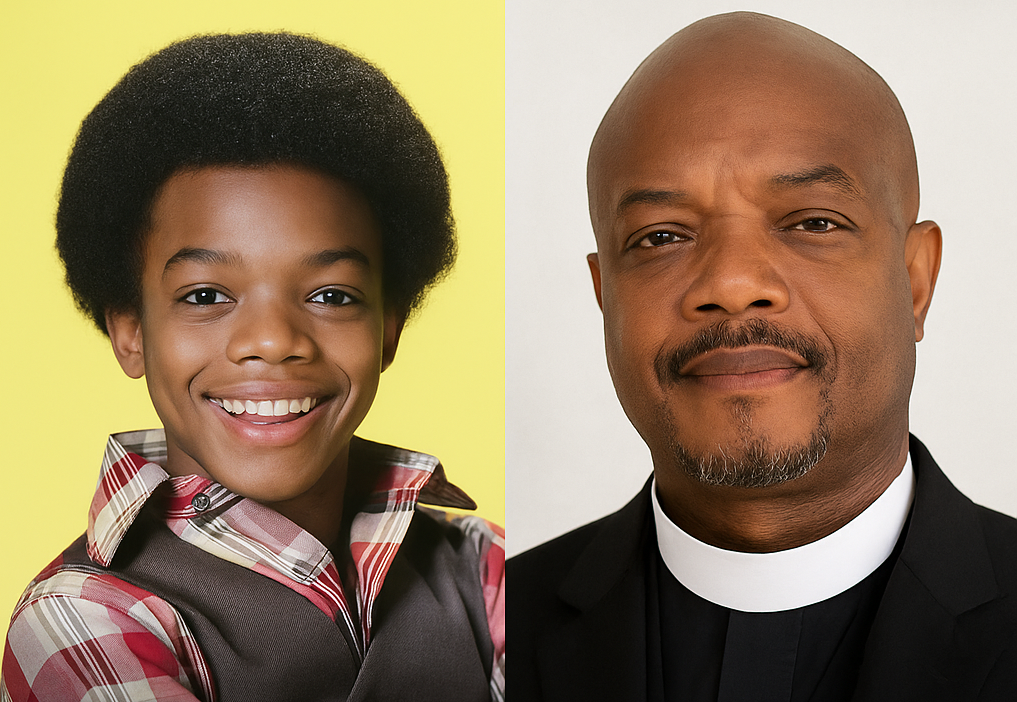
In the bright glow of 1980s television, Todd Bridges was a household name. As Willis Jackson on the wildly popular sitcom Diff’rent Strokes, he captured hearts with his charm and comedic timing. Alongside Gary Coleman’s iconic “Whatchu talkin’ ‘bout, Willis?” catchphrase, Bridges became part of a cultural phenomenon. Yet, behind the laughter and fame was a young man grappling with internal battles that would take him on a long, often painful, path—one that would ultimately lead to redemption, purpose, and faith.
Todd Bridges’ early life was steeped in the entertainment world. Born into a showbiz family—his mother an actress and manager, his father a talent agent—Todd entered the industry early. By the age of ten, he was acting in television commercials, and soon after, found success on television dramas and variety shows. But it was Diff’rent Strokes that rocketed him to stardom at just 13 years old.
On screen, he played the part of the wisecracking older brother adopted into a wealthy white family, part of a show that tackled serious issues with heart and humor. Off-screen, though, life was far more complicated. Like many child stars, Bridges found the transition from youthful celebrity to adulthood fraught with confusion, pressure, and temptation. The adoration of fans couldn’t shield him from the darkness that crept in as the lights dimmed.
In the years following the show’s end in 1986, Todd’s life spiraled. He battled addiction, faced arrests, and struggled to find work as an adult actor. The Hollywood system that had embraced him in youth seemed to have no place for him in his struggles. For many, this might have been the end of the road—a cautionary tale etched into the annals of child star burnout. But Todd Bridges wasn’t finished.
What sets Bridges apart isn’t just the descent—it’s the climb back up. At his lowest points, he found himself reflecting on the broken pieces of his life. He made the courageous choice to seek help and begin the process of recovery. Through that, he discovered something deeper: faith.
Embracing Christianity didn’t just offer him solace—it transformed his outlook. He began to understand his trials not as curses, but as the foundation of a testimony. Bridges eventually became a minister, dedicating himself to helping others escape the cycles of addiction, abuse, and despair. His story became not just about surviving fame and hardship, but about using those experiences to uplift and serve.
As a minister and motivational speaker, Bridges speaks candidly about his past. He doesn’t shy away from the ugly truth of his mistakes—he embraces them as part of a larger story of redemption. His transparency has helped countless others find courage in their own struggles. He reminds us that grace is real, and that it’s never too late to start over.
Today, Todd Bridges stands as a testament to resilience. He occasionally returns to acting, but his greatest role might just be the one he plays in real life: a man who found peace not in applause, but in faith. His life’s journey—from sitcom stardom, through the valleys of addiction, to the pulpit—is a modern parable of perseverance and purpose.
In a world where celebrity often fades into obscurity or tragedy, Todd Bridges offers something far more powerful: hope. Hope that even after the applause dies down, a meaningful life awaits. And in that, he’s become more than just a television icon—he’s become a living example of the power of redemption.